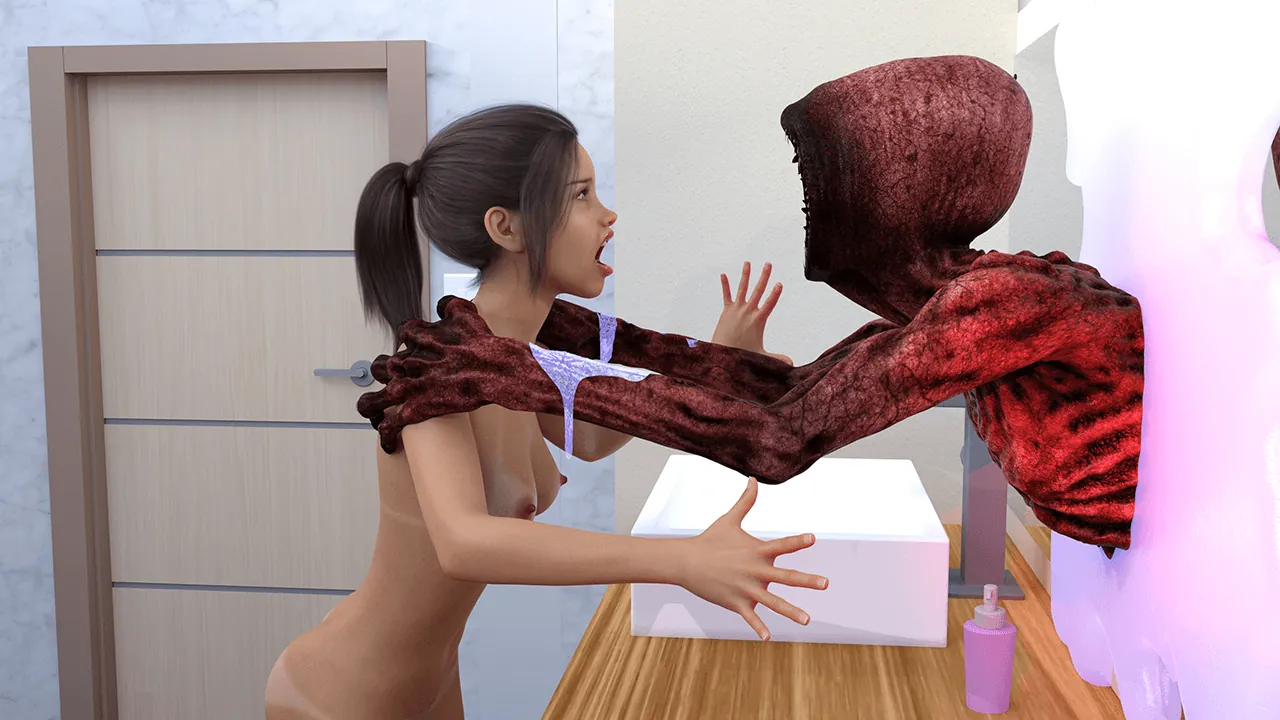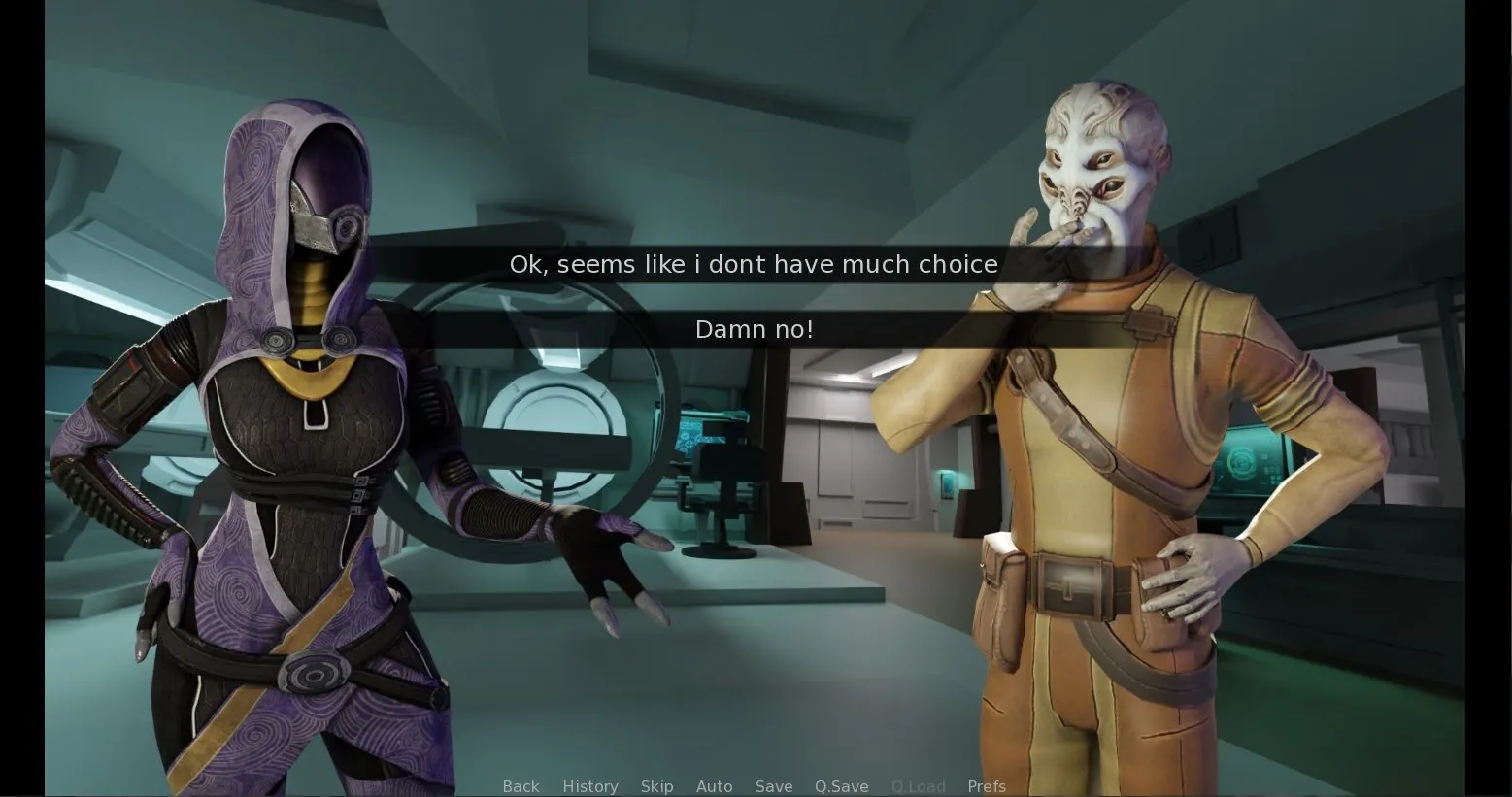
Fate and Life: The Mystery of Vaulinhorn Screenshots








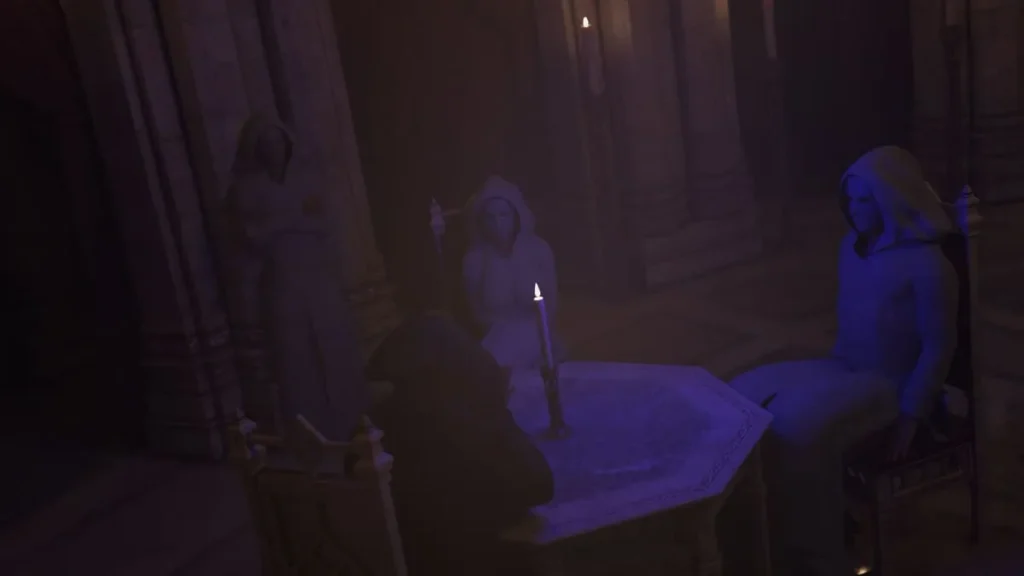












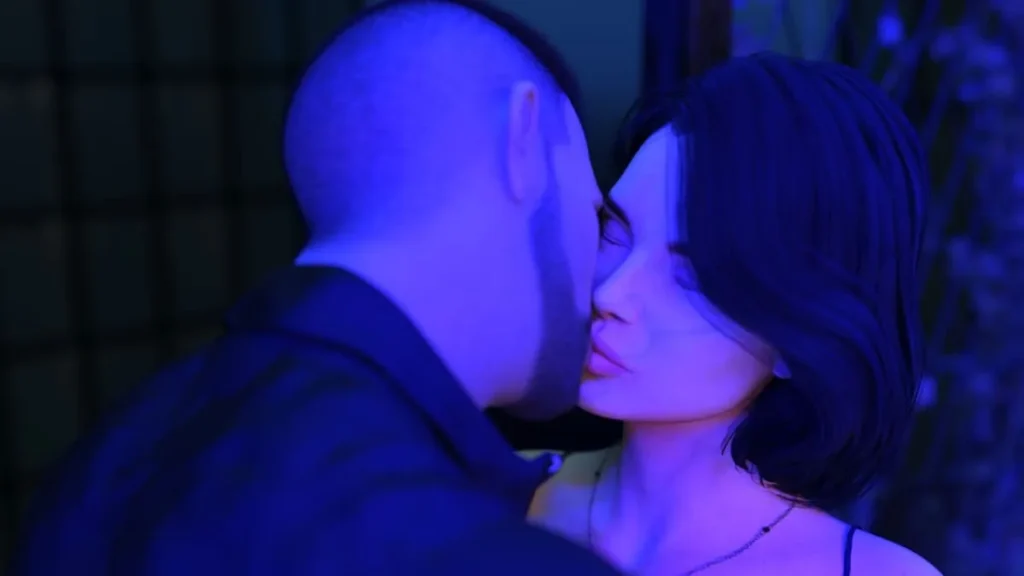


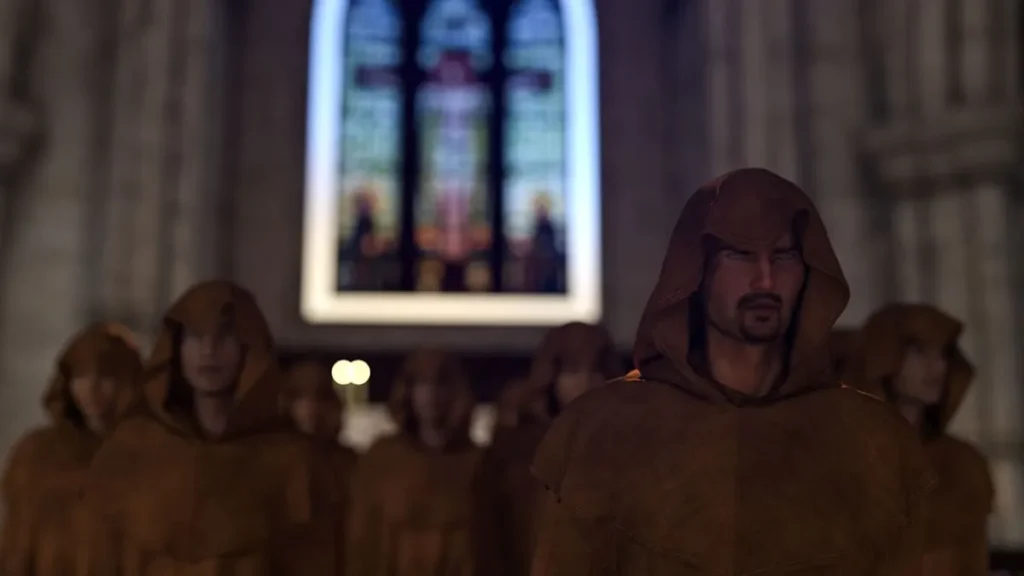



















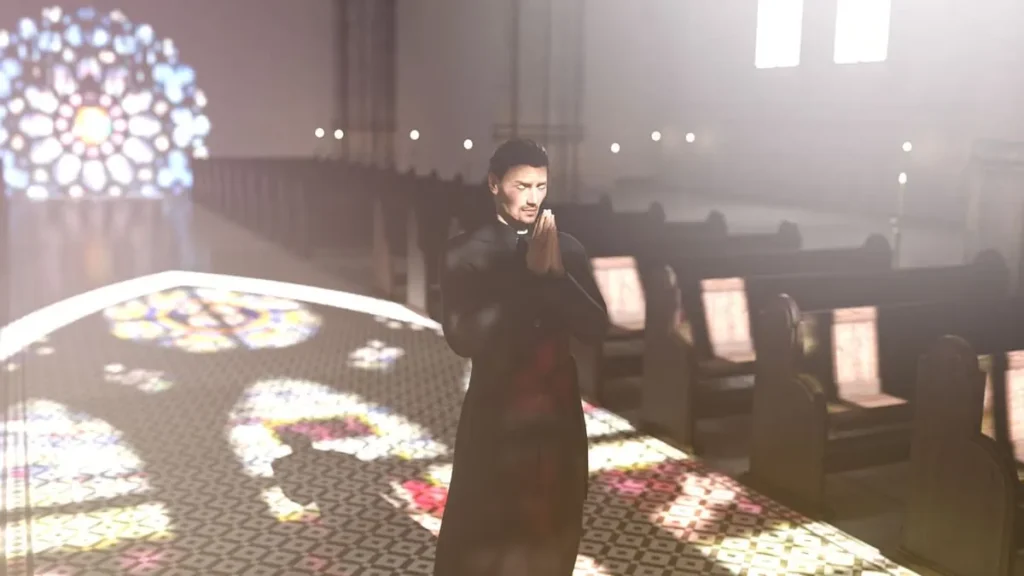














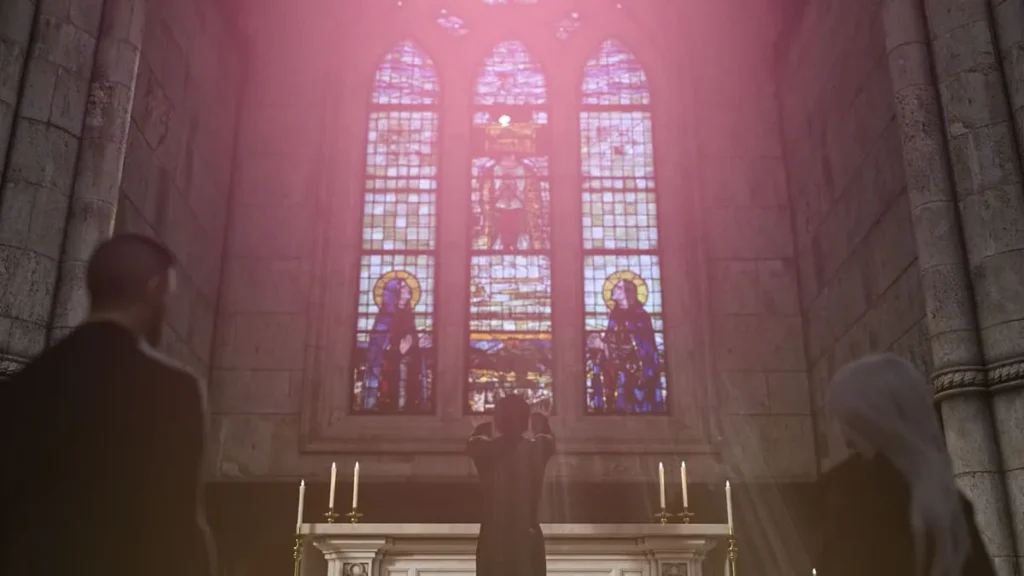
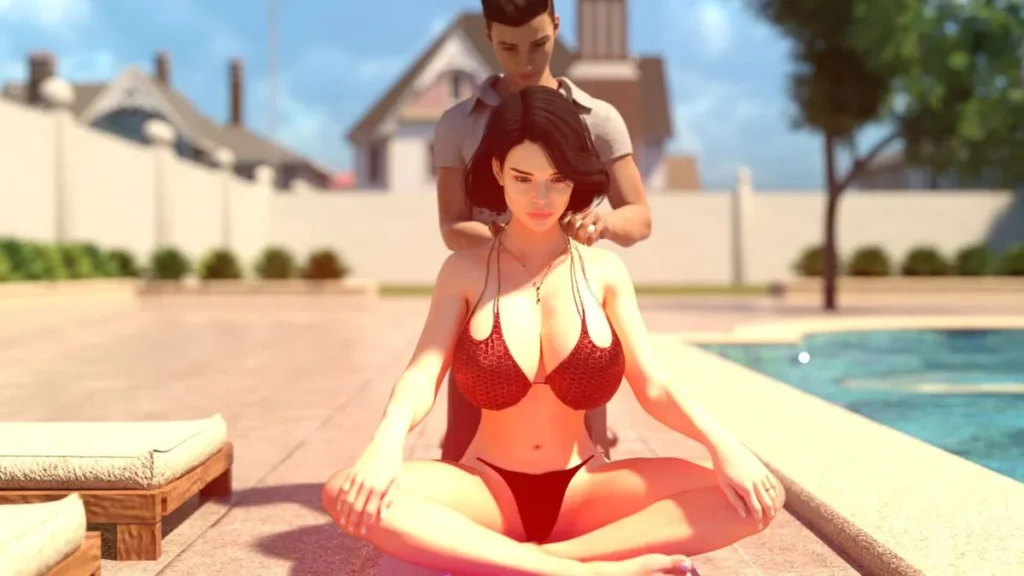









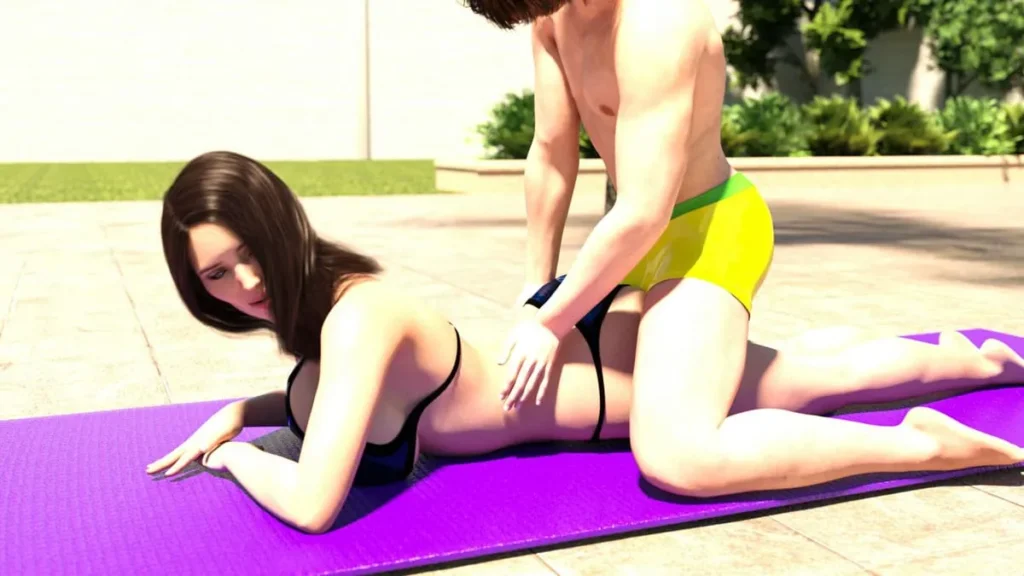
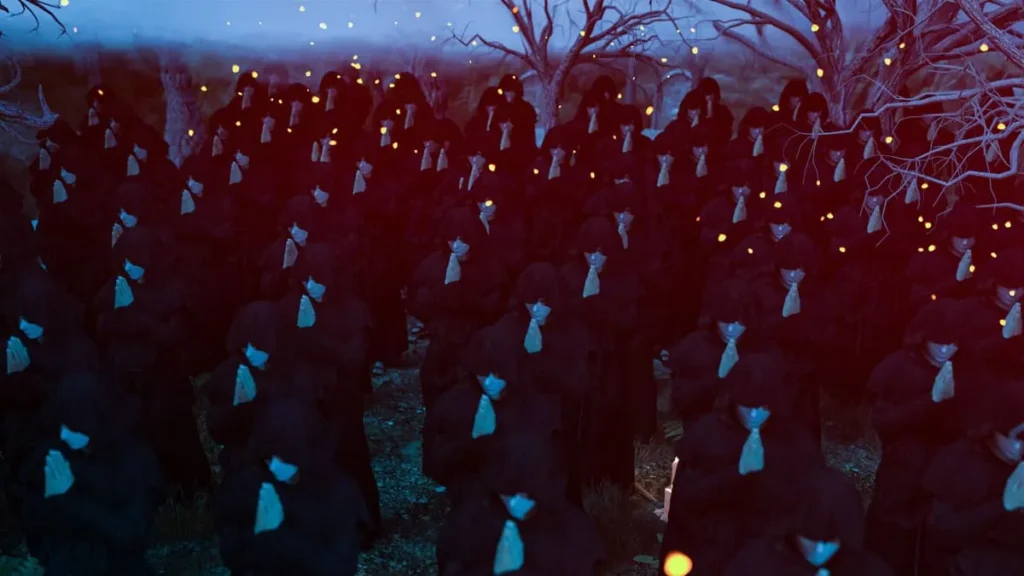


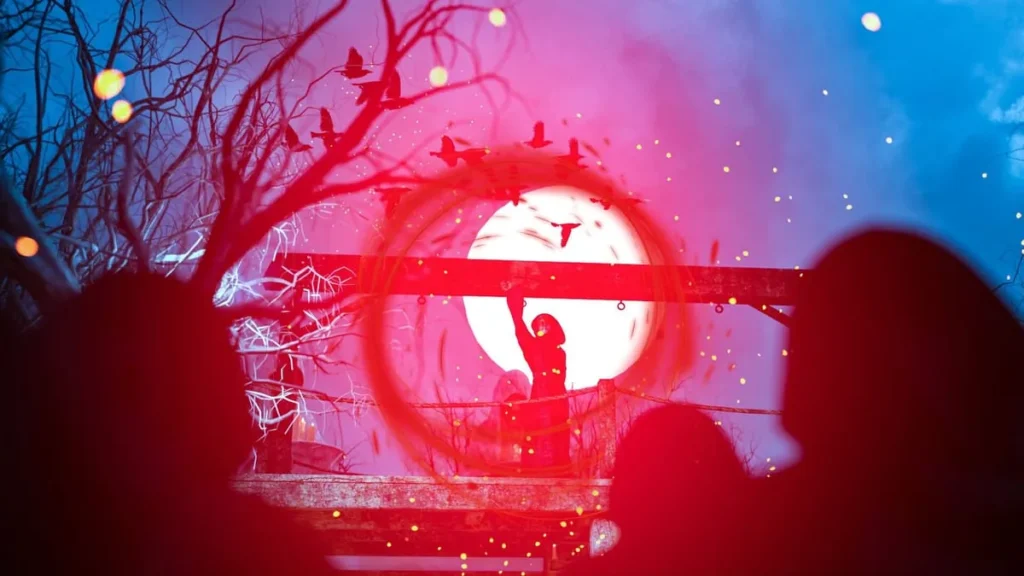
Fate and Life: The Mystery of Vaulinhorn review
Explore the Interactive Storytelling, Multiple Endings, and Gameplay Mechanics
Fate and Life: The Mystery of Vaulinhorn stands out as a narrative-driven visual novel that combines immersive storytelling with meaningful player agency. Set in the mysterious city of Vaulinhorn, this game invites players to investigate the sudden disappearance of a renowned historian while uncovering deeper, supernatural secrets. The experience hinges on interactive storytelling where every decision shapes character relationships, unlocks new story paths, and determines which of the multiple endings you’ll experience. Whether you’re drawn to mystery-solving, character development, or exploring branching narratives, this guide explores what makes Vaulinhorn a compelling choice for story-rich game enthusiasts.
Understanding the Core Gameplay Mechanics and Interactive Storytelling
Ever felt like the hero of your own detective novel, where every hunch matters and every conversation could crack the case wide open? That’s the magic waiting for you in Fate and Life: The Mystery of Vaulinhorn. This isn’t a game where you just watch a story unfold; you are the architect of its every twist and turn. At its heart are three brilliant Vaulinhorn gameplay systems that transform you from a passive reader into an active investigator. These systems—Trust Meters, Clue Weaving, and Time Pressure—are the gears that make the entire machine of interactive storytelling game mechanics hum with life and consequence. 🕵️♂️✨
Let me tell you, my first playthrough was a disaster. I treated everyone with polite suspicion, hoarded clues like a dragon with treasure, and took my sweet time pondering every decision. I ended up alone, with a case colder than a Vaulinhorn winter, staring at the “Justice Denied” ending screen. It was a brutal, beautiful lesson: in this world, your visual novel player choices are not suggestions. They are permanent, echoing decisions that build your unique path through a web of narrative branching paths. Ready to learn from my mistakes? Let’s dive into the systems that make this game an unforgettable experience.
How Trust Meters Shape Character Relationships
Forget simple “like/dislike” bars. The trust meters character relationships system in Fate and Life: The Mystery of Vaulinhorn is a living, breathing simulation of human connection. Every character you meet has a complex, internal ledger where they record your every interaction. Did you dismiss the gardener’s theory too harshly? That’s a mark against you. Did you return a lost heirloom to the reclusive historian? She’ll remember that kindness.
This isn’t just about making friends; it’s about building alliances. A character’s Trust Meter directly influences their willingness to share crucial information, provide you with alibis, or even intervene physically during a confrontation. I learned this the hard way with Elara, the town apothecary. Early on, I accused her of being evasive about a certain poison. Her meter plummeted from “Cautious” to “Hostile.” Later, when I desperately needed a specific antidote formula to save a key witness, she “conveniently” couldn’t remember it. My earlier slight had cost me a life.
Pro Tip: Think of Trust Meters as social capital. You’re investing in people, not just pleasing them. Sometimes, supporting a character in a minor argument can pay off massively when you need a favor during the game’s climax.
The genius of this system is its subtlety. Meters aren’t always visible; you have to read body language, tone of voice, and the options available in dialogue. A character with high trust might give you three conversation options, while one with low trust might only offer one guarded response. This deeply woven interactive storytelling game mechanics approach means no two players will have the exact same relationship dynamics, making every conversation a strategic puzzle. 👥💬
Clue Weaving and Evidence Combination Systems
If Trust Meters are the heart of the social game, then Clue Weaving is the brilliant mind of the detective work. This clue weaving evidence combination system is where Vaulinhorn truly shines and respects your intellect. You won’t find giant exclamation marks over vital evidence. Instead, you’ll collect disparate pieces of information—a torn theater ticket, a gossip column snippet, the distinct smell of ozone in a room.
The real magic happens in your “Case Journal.” Here, you can physically combine two or more clue items to form a hypothesis. For instance, in my second playthrough, I had:
* A scented love letter (perfume of white lilac).
* A botany log noting the Head Gardener is allergic to that specific flower.
* A servant’s schedule showing regular, unexplained absences.
By combining the letter and the schedule, I deduced a secret rendezvous. Adding the allergy log to that new clue revealed the gardener couldn’t have written the letter, pointing the finger at an impersonator! This single act of evidence combination unlocked an entire narrative branching path I had missed completely before, leading me to a hidden suspect’s motive.
This system encourages meticulous note-taking and creative thinking. The game won’t hold your hand and say “Combine A with B.” You have to think like a real detective. Why does this noble have mud on his boots that matches only one remote garden? What does this coded ledger entry have to do with the imported wine shipment? Successfully weaving clues together often rewards you with new dialogue options, locations, and suspect profiles, making you feel like a genius. It’s the core of the Vaulinhorn gameplay systems that demands your active participation. 🧩🔍
Time Pressure and Decision-Making Consequences
Just like in a real investigation, opportunity waits for no one. The time pressure decision making mechanic in Vaulinhorn ensures that tension never sags. This isn’t a turn-based puzzle; the world moves in real-time during key scenes. You’ll see it during intense confrontations, fleeting chase sequences, or critical dialogues where a character’s patience is wearing thin.
A timer, sometimes visible, often just implied by frantic music or character animation, will count down. Hesitate too long to pick a dialogue option during an argument, and the suspect might clam up or storm out. Fail to choose a path during a chase, and your quarry vanishes into the fog permanently. In one memorable moment, I had to decide which of two simultaneous crises to respond to: save a character from an “accident” or pursue the shadowy figure I’d been tailing. I chose to save the life—a noble choice—but the figure escaped, taking with them a piece of evidence that closed off an entire ending route.
This creates an incredible, nerve-wracking sense of realism. Your visual novel player choices carry the weight of immediacy. There’s no “right” answer, only your answer and its permanent ripple effect. This time pressure decision making layer works in concert with the other systems:
* High Trust? A character might buy you more time in a conversation or create a distraction.
* Woven the Right Clues? You might unlock a special, faster option to resolve the tense situation.
It makes every playthrough uniquely stressful and rewarding, as you race against the clock not just to solve the mystery, but to live with the consequences of your split-second judgments. ⏳⚡
How Your Choices Craft the Ending: A System in Concert
The true beauty of Fate and Life: The Mystery of Vaulinhorn is how these three core systems don’t operate in isolation. They constantly talk to each other, creating a dynamic storytelling engine that makes your journey feel uniquely yours. Your trust meters character relationships determine who will help you under time pressure. The clue weaving evidence combination unlocks new ways to build trust or apply pressure. Every visual novel player choice is a stone thrown into this pond, and the ripples touch every shore.
This intricate dance is what leads to the game’s legendary replayability and its 8-12+ distinct endings. You’re not just picking “Good” or “Bad” at a finale. The ending is a detailed epilogue that shows the direct results of your compounded decisions—who lives, who is exposed, what happens to the town of Vaulinhorn, and the personal fate of your detective.
To show how these Vaulinhorn gameplay systems interlock, here’s a comparison of how different approaches can diverge your story dramatically:
| Your Key Decisions & System Use | Trust & Clue Impact | Resulting Narrative Branch & Ending Type |
|---|---|---|
| Focus on logic, distrust everyone, solve the case purely forensically. | Low Trust with most characters. High success in Clue Weaving physical evidence. | The Logical Conclusion: You crack the “how” but miss the “why.” The true mastermind escapes social ruin, leading to a bitter, technically-correct ending. |
| Build deep alliances, prioritize saving people over catching culprits red-handed. | Very High Trust with key allies. May miss some complex clue chains. | The Heart’s Justice: The community bands together. The villain is stopped through social pressure, not just evidence, leading to a hopeful, unified ending. |
| Rush decisions under time pressure, accuse based on gut feeling without full evidence. | Volatile Trust meters. Incomplete or incorrect Clue Weaving. | The Hasty Reckoning: You accuse the wrong person. The real culprit frames you or escapes, leading to a tragic or “fall from grace” ending. |
| Master all systems: Combine full evidence, nurture key trusts, and act decisively under pressure. | Optimal Trust in crucial alliances. Perfect or near-perfect Clue Weaving. | The Perfect Truth: You expose the entire conspiracy, its motives, and deliver a just outcome for all, unlocking the most complete and rewarding ending. |
Practical Tips for Mastering Vaulinhorn’s World
Feeling overwhelmed? Don’t be! Part of the fun is stumbling and learning. But here are some insights to help you thrive in this rich world of interactive storytelling game mechanics:
- Talk to Everyone, Again and Again: Characters drop new information as the story progresses and as your trust with them changes. Revisit them after every major event.
- Embrace the “Case Journal”: Use it actively. Try combining every clue with at least two others. Look for thematic, logical, or physical connections. The “Aha!” moment is worth it.
- Save Strategically, But Don’t Scum: It’s okay to save before big decisions. But to truly feel the impact of the time pressure decision making, try to live with your first major choice each session. The surprise is part of the story’s power.
- There Are No “Failures,” Only Endings: Your first ending, even if it seems dark, is your story. It makes subsequent playthroughs, where you use foreknowledge to change fate, incredibly satisfying.
- Listen and Observe: The game’s audio cues, music shifts, and character animations often give hints about rising tension (triggering time pressure) or a character’s hidden feelings (affecting trust).
Fate and Life: The Mystery of Vaulinhorn stands as a masterpiece of modern interactive storytelling game mechanics because it dares to make every element matter. The trust meters character relationships give depth to every hello and goodbye. The clue weaving evidence combination rewards your curiosity and intellect. The ever-present time pressure decision making fills each moment with authentic urgency. Together, they form a playground of narrative branching paths that doesn’t just tell you a story—it asks you to write it, one meaningful, consequential visual novel player choice at a time. Your journey through Vaulinhorn awaits, detective. What story will you tell? 🌌📖
Fate and Life: The Mystery of Vaulinhorn delivers a richly layered narrative experience where your choices genuinely matter. From the Trust Meters that track character relationships to the Clue Weaving system that unlocks new story paths, every decision shapes your journey through this mysterious city. The game’s 8-12+ endings reward multiple playthroughs, ensuring that each investigation reveals new layers of Vaulinhorn’s supernatural secrets. Whether you’re drawn to the atmospheric world design, the complex character interactions, or the branching narrative structure, this visual novel respects your intelligence and agency as a player. The combination of interactive storytelling, meaningful consequences, and immersive world-building creates an experience that lingers long after you’ve uncovered the mystery. If you’re seeking a story-driven game that challenges you to think critically about your choices and their ripple effects, Vaulinhorn awaits your investigation.