Muse Dash Screenshots
Muse Dash review
Discover the addictive beat-matching adventure with cute characters and endless challenges
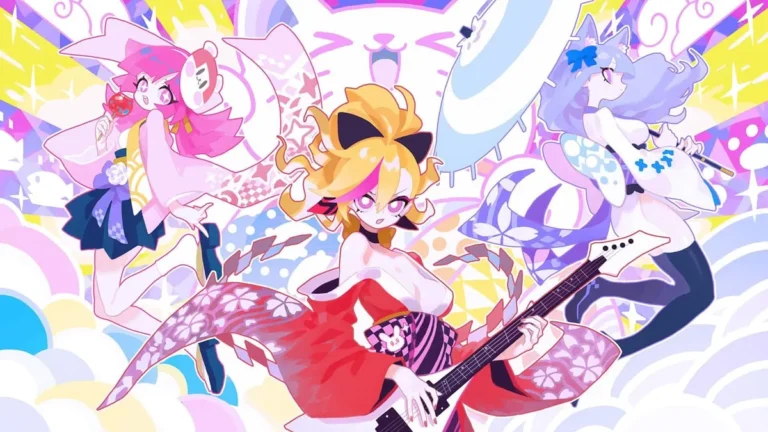
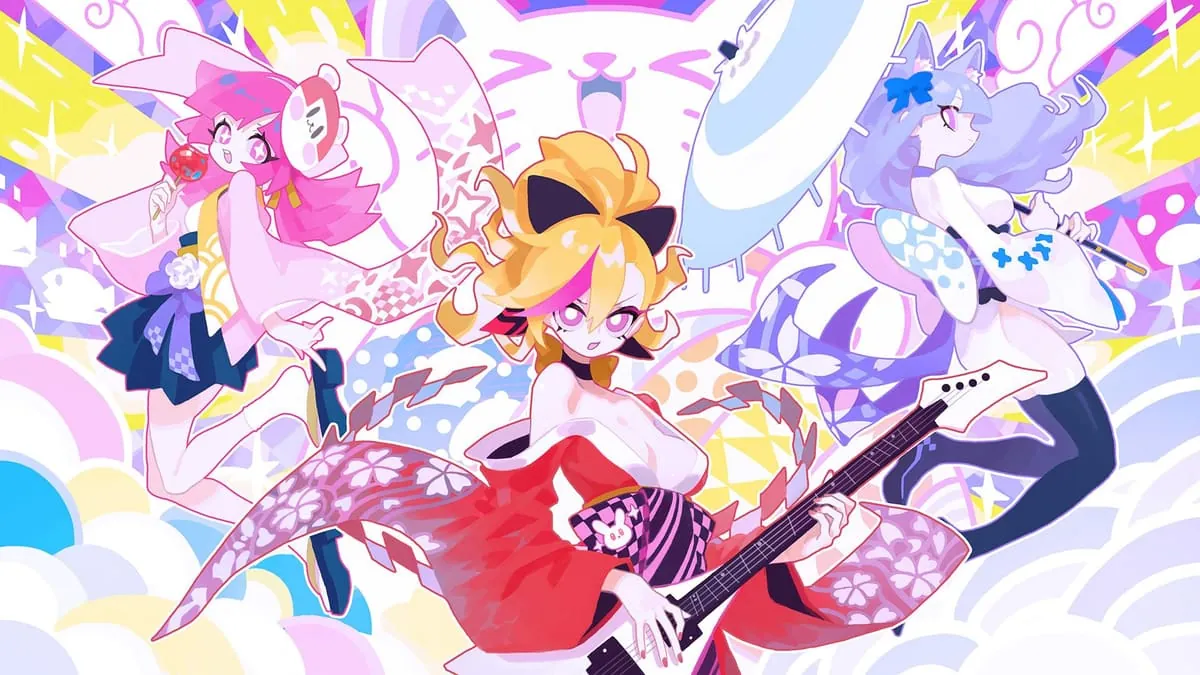
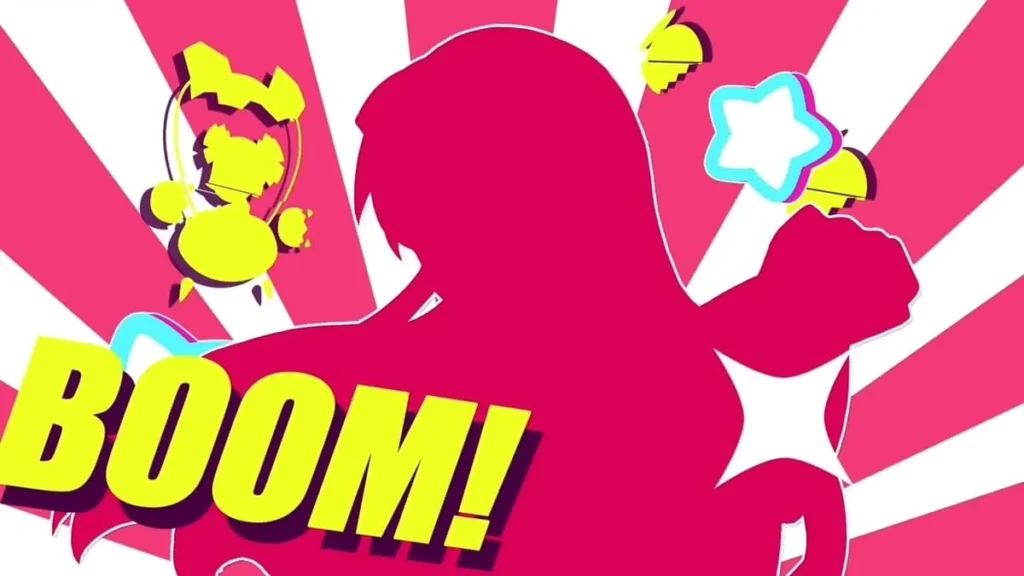
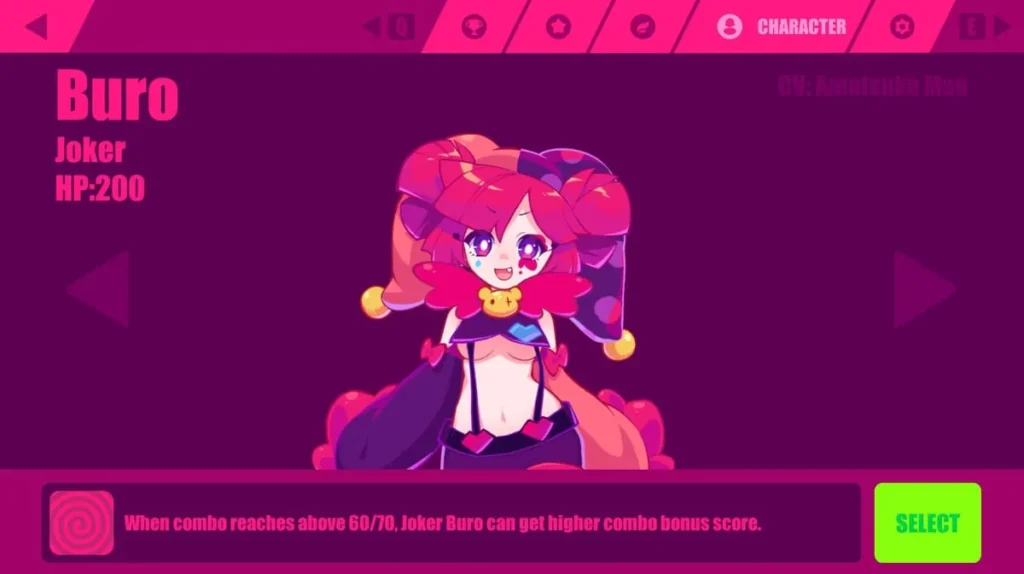
Hey there, rhythm lovers! Have you ever jumped into Muse Dash, the super addictive side-scrolling rhythm game that blends parkour vibes with beat-matching action? I remember my first session – tapping those two buttons to smash enemies in sync with pounding J-pop tracks, and I was hooked for hours. Developed by PeroPeroGames, this gem lets you dash through levels as adorable high-schoolers like Rin, Buro, and Marija, battling candy corns, robots, and bosses while building massive combos. With simple controls, unlockable costumes, Elfins, and over 85 songs across difficulties from easy to master, it’s perfect for casual fun or hardcore challenges. Stick around as I share my personal tips, strategies, and why Muse Dash deserves a spot in your library – let’s get that Fever Mode pumping!
What Makes Muse Dash Gameplay So Addictively Simple?
I still remember the first time I tapped into the vibrant world of Muse Dash. 🎵 I’d just downloaded it, drawn in by the adorable art, and figured, “How hard can a rhythm game with just two buttons be?” Famous last words. I picked a song, saw the notes rush toward me, and my brain short-circuited. Saws? Ghosts? Stars? My fingers were a tangled, panicked mess. But then, something magical happened. After a few (dozen) failed attempts, my taps started to sync with the beat. I wasn’t just pressing buttons anymore; I was dancing with the music. That’s the secret sauce of Muse Dash gameplay—it’s deceptively simple to pick up, but incredibly satisfying to master, creating a loop of pure, rhythmic joy that keeps you hitting “retry” for just one more song.
The heart of this experience is its beautiful simplicity. At its core, learning how to play Muse Dash is about understanding a perfectly tuned system. It’s not about memorizing complex finger placements across a keyboard. It’s about you, the music, and two actions that soon feel like an extension of your own pulse.
How Do the Two-Button Controls Work in Muse Dash?
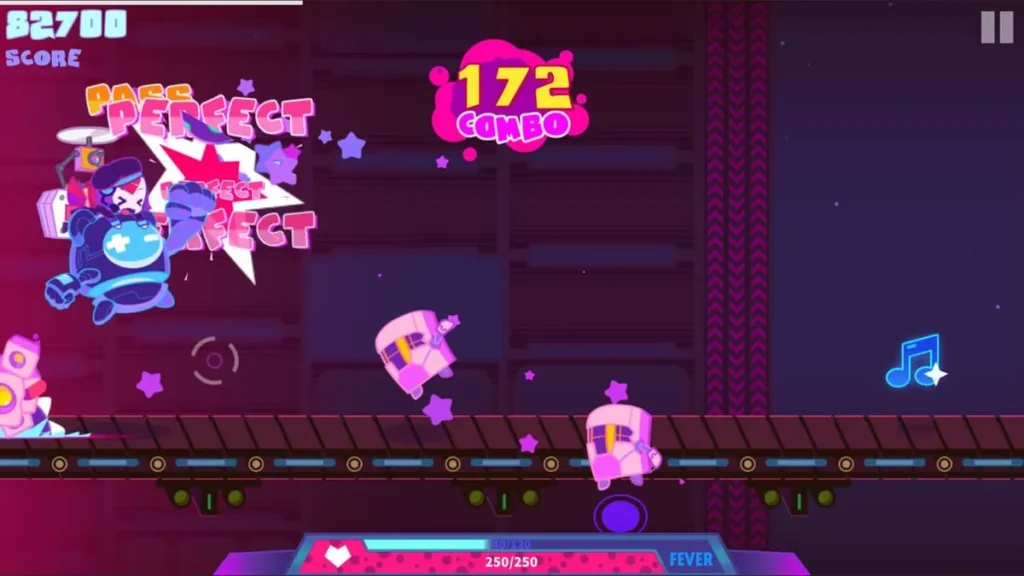
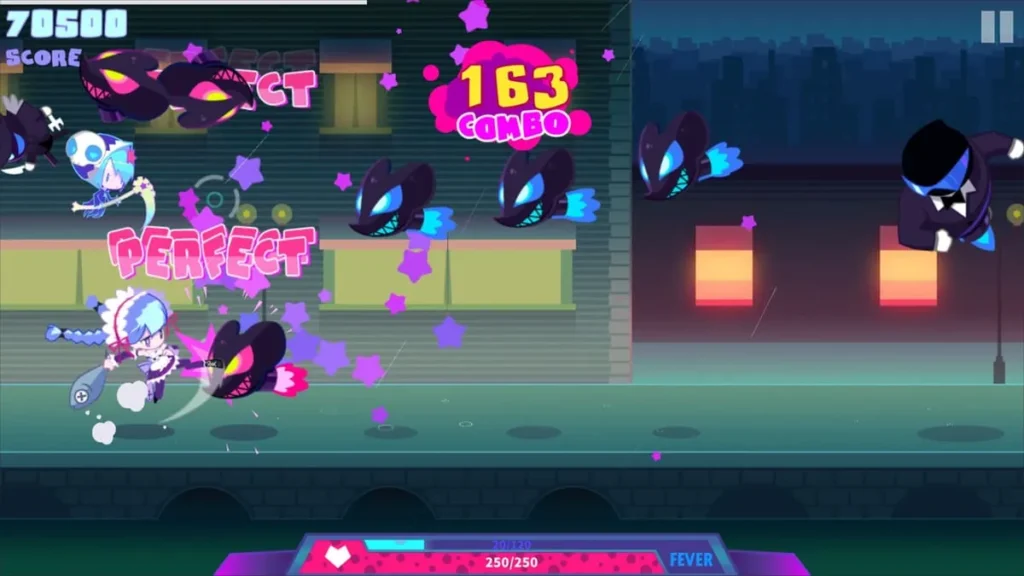
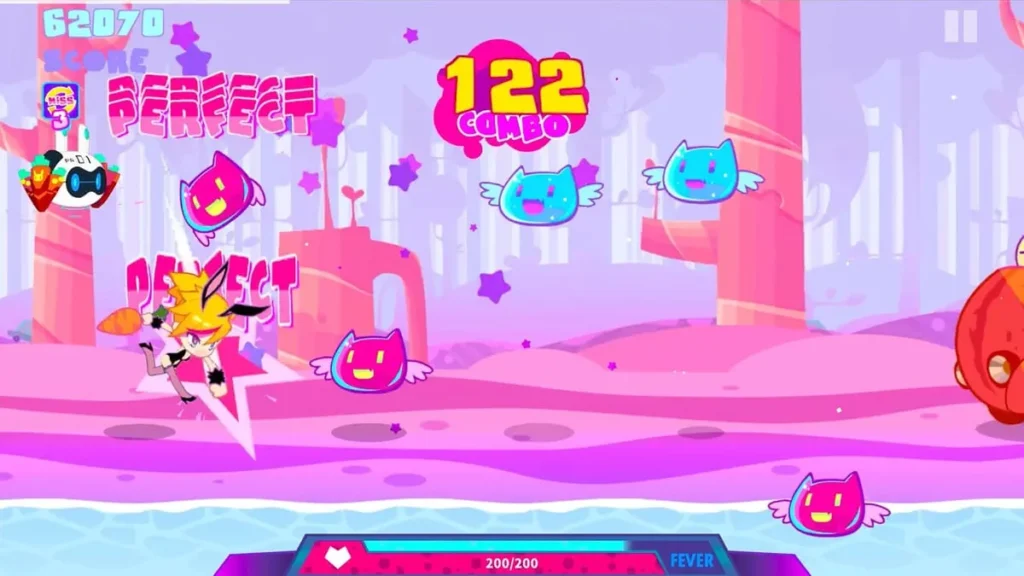
Let’s break down the elegant genius of the Muse Dash controls. You only really need two inputs: one for the ground and one for the air. Typically, you’ll use one key (or screen side) to attack enemies on the ground lane, and another to jump and hit enemies in the air lane. That’s it! But within that framework lies a wonderful variety of obstacles:
- Ground Enemies & Saws: 🏃♀️➡️ These approach on the bottom lane. A quick tap of your ground button takes them out. Saws require you to jump over them with your air button.
- Air Enemies & Ghosts: 👻⬆️ These float in the top lane. You need to press your air button to hit them while jumping. Some ghosts require a hit from either button, perfect for a swift, alternating tap.
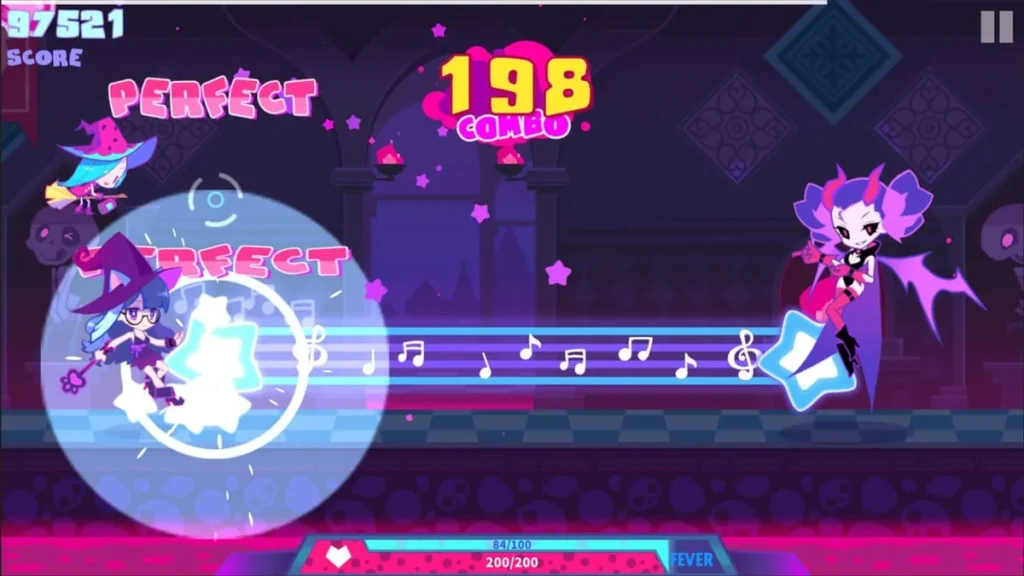
- Hold Notes (Stars): 🌟 These glorious, shimmering notes appear on either lane. Instead of tapping, you press and hold the corresponding button for the duration. They’re often your ticket to building massive score multipliers and are crucial for activating Muse Dash fever mode.
Your survival hinges on a health bar. Miss a note or hit a saw, and you lose health. Grab the floating hearts to recover it. It’s a straightforward risk-reward system that adds just enough tension to make every perfect run feel like a triumph. The brilliance is that nothing is color-coded to a specific button—you must learn to read the position and type of note, which forces you to internalize the rhythm and anticipate what’s coming next. This is what makes the Muse Dash gameplay so engaging; you’re not just reacting, you’re predicting and flowing with the track.
Mastering Combos and Fever Mode for High Scores
Tapping in time keeps you alive, but to truly conquer the leaderboards, you need to think about Muse Dash combos. Every note you hit in succession builds your combo counter. This isn’t just for show—a higher combo directly feeds into your score multiplier. But the real game-changer is Fever Mode.
Here’s how it worked for me on a tough track like “Brain Power.” I was struggling just to survive, let alone score well. I focused not on every note, but specifically on nailing the long, hold-note sequences. Once I consistently hit those, everything changed.
Pro Tip: In updated versions of the game, Fever Mode is often manual! You build the Fever gauge by hitting notes, and then activate it with a third button (like ‘F’) for a massive score boost when the track gets intense. Time it right during a dense section for insane points!
When you activate Fever, the screen erupts in color, your score multiplier skyrockets, and you often get character-specific bonuses. For instance, using the elf Buro makes you temporarily invincible during Fever! This system brilliantly rewards precision and encourages you to aim for perfection, not just survival. Building and maintaining a combo to reach and leverage Fever is the key skill that separates good scores from legendary ones.
Tips to Conquer Easy, Hard, and Master Difficulties
One of the most compelling aspects of Muse Dash gameplay is its fantastic scaling challenge. The Muse Dash difficulties aren’t just about faster notes; they fundamentally change the map, introducing new note patterns and obstacles. Here’s a quick breakdown:
| Difficulty | Enemy Speed & Patterns | EXP Gain | Best For |
|---|---|---|---|
| Easy | Slow, simple patterns. Perfect for learning note types and song rhythms. | Low | Absolute beginners, chilling out, learning new songs. |
| Hard | Significantly faster with more complex sequences. The “true” game experience for most players. | High | Regular play, farming EXP, tackling most Muse Dash challenges. |
| Master | Extreme speed, brutal pattern density. Requires memorization and flawless execution. | Maximum | Experts seeking the ultimate test and full-combo bragging rights. |
My strategy for tackling this progression is simple:
1. Start on Easy. Seriously! Don’t let ego hold you back. Use Easy to learn the song’s structure. Where are the choruses? Where do the hold notes cluster? This meta-knowledge is priceless.
2. Replay Songs on Hard. This is your primary playground. Replaying songs here is the best way to earn EXP to level up, which unlocks new characters, elves, and songs—all of which are central to Muse Dash challenges.
3. Decode the Challenges. The game’s built-in Muse Dash challenges (like “Achieve a 200+ combo,” “Score over 800,000,” or “Miss less than 10 times”) are fantastic, structured goals. They force you to play differently and improve specific skills.
4. Attack Master Mode. Once you can comfortably clear a song on Hard, watch a replay of the Master chart. Seeing the patterns at full speed without the pressure to perform can help your brain process what’s coming.
I’ll share a quick case study. The song “DragonNight” destroyed me on Hard. I’d always fail at the same frantic section. I dropped to Easy, not to practice the speed, but to calmly see what notes were there. I realized it was a specific jump-saw pattern repeating. I went back to Hard, focused only on that section for a few runs, and suddenly it clicked. The thrill of finally landing a full combo on that song was better than any boss fight—but speaking of which…
The boss fights in Muse Dash are pure rhythm-action spectacle. 🐉 The screen shifts, a massive character appears, and your notes become the attacks you unleash against them. It’s a stunning fusion of story and gameplay that makes you feel incredibly powerful. The intensity of these sections, especially on higher Muse Dash difficulties, is a true test of everything you’ve learned.
So, why does this all work so well? 🤔
Muse Dash gameplay is the perfect blend of accessibility and depth. The two-button Muse Dash controls are the ultimate low barrier to entry—anyone can understand them in seconds. But the journey to mastering combos, manipulating Fever Mode, and conquering the devilish patterns of Master difficulty offers a bottomless well of challenge. It respects your time by being easy to learn, but rewards your dedication by being incredibly hard to perfect. You’re not just hitting notes; you’re learning a language of rhythm, one perfect tap at a time.
FAQ: Your First Steps into the Rhythm
Q: What happens if my HP runs out?
A: The song ends immediately! You can restart or return to the song selection. Grab every heart you can to stay in the fight.
Q: How do I unlock harder modes like Master?
A: Keep playing and leveling up! As your player level increases, you’ll automatically unlock higher difficulty levels for all songs.
Q: I’m hitting notes but my combo breaks. Why?
A: This usually means you’re hitting notes slightly early or late, resulting in a “Good” or “Pass” judgment instead of a “Perfect.” Only “Perfect” hits maintain your combo chain. Focus on the rhythm, not just the visuals!
Q: What’s the fastest way to get better?
A: Replay your favorite songs. Muscle memory and pattern recognition are key. Don’t be afraid to fail—every attempt teaches you something about the song’s flow. And tackle those specific Muse Dash challenges; they’re designed to make you improve!
There you have it – Muse Dash is the ultimate rhythm action thrill with its simple yet deep mechanics, charming characters, and endless replayability through songs, costumes, and Elfins. From my late-night sessions chasing perfect scores to stacking skills for insane combos, it’s a game that keeps pulling you back. Whether you’re a newbie tapping beats or a pro mastering boss rushes, it delivers pure joy. Grab your device, pick Rin or Buro, and dive in today – what’s your high score going to be? Share your stories in the comments, and let’s keep the rhythm alive!