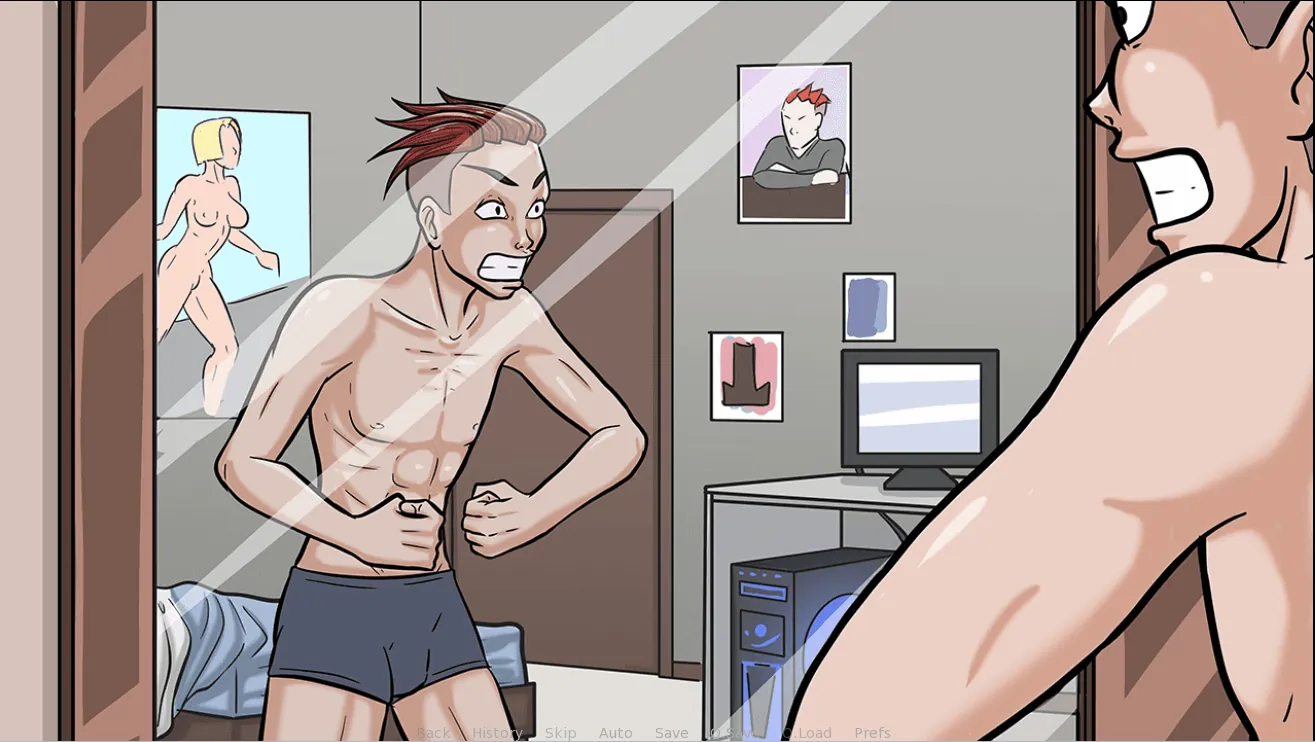
S.H.E.L.T.E.R. – An Apocalyptic Tale
Play S.H.E.L.T.E.R. – An Apocalyptic Tale
S.H.E.L.T.E.R. – An Apocalyptic Tale Screenshots








S.H.E.L.T.E.R. – An Apocalyptic Tale review
Survive, Choose, and Shape Intimate Bonds in a Ruined World
Imagine waking up in a crumbling world where every choice could mean life, death, or something far more intimate. S.H.E.L.T.E.R. – An Apocalyptic Tale drops you into this post-apocalyptic visual novel as a leader managing a shelter full of survivors. Developed by Winterlook Games, this adults-only experience blends tense survival decisions with deep character relationships that evolve into romance paths or darker encounters. I remember my first playthrough—hoarding resources while navigating flirty dialogues left me hooked for hours. Whether you’re scavenging wastelands or building trust, this game delivers replayable stories with branching outcomes. Dive in to master S.H.E.L.T.E.R. – An Apocalyptic Tale and uncover all its secrets.
What Makes S.H.E.L.T.E.R. – An Apocalyptic Tale a Must-Play?
I still remember the rainy afternoon I stumbled across S.H.E.L.T.E.R. – An Apocalyptic Tale. Buried in the Steam store, the haunting artwork and promise of a choice-driven story caught my eye. “Just another visual novel,” I thought skeptically. Five hours later, I was completely absorbed, nervously deciding whether to share my last can of beans with a suspicious stranger, my heart pounding as the game’s atmospheric soundtrack underscored every tense moment. I wasn’t just playing a game; I was fighting for survival and forging fragile human connections in a broken world. If you’re wondering what is S.H.E.L.T.E.R. game at its heart, it’s this breathtaking fusion of intimate storytelling and desperate survival.
Developed by Winterlook Games and released in November 2021, this post-apocalyptic visual novel masterfully blends narrative depth with tangible stakes. You don’t just read a story; you live it, making decisions that impact your resources, your shelter, and the lives of those you meet. It’s a gripping experience that demands your emotional and strategic investment, offering a remarkable 12-22 hours of playtime across numerous branching paths.
Core Gameplay and Survival Mechanics in S.H.E.L.T.E.R.
So, how does it all work? 🎮 The core of apocalyptic tale gameplay is a brilliant duality. On one hand, you have the classic, choice-driven visual novel format, where you engage in deep conversations and make narrative decisions. On the other, you manage a robust survival simulation. This isn’t just background flavor—the survival mechanics S.H.E.L.T.E.R. employs are integral to the plot and your relationships.
Each day presents you with critical choices: do you spend your energy scavenging in the dangerous ruins for precious parts and medicine, or do you stay at the shelter to fortify your defenses and purify water? Resources like food, water, materials, and medicine are constantly dwindling. You’ll need to craft tools, upgrade your shelter’s facilities (like the water filter or medical bay), and treat injuries or illnesses. Running out of food doesn’t just trigger a “game over” screen; it weakens you, affecting your dialogue options and ability to help others. This constant pressure makes every choice, narrative or logistical, feel monumentally important.
Here are the key features that make this system so compelling:
- Deep Narrative & Meaningful Choices: Every dialogue option can alter a character’s opinion of you, opening or closing potential story branches.
- Complex Romance Paths: Build intimate, mature relationships with several characters, each with their own traumas, motivations, and story arcs.
- Integrated Survival Challenges: Scavenging, crafting, and shelter management are woven directly into the story’s cause and effect.
- Dynamic Morality System: The game tracks your actions, shaping your character’s personality and how the world reacts to you.
- Branching Storylines: Early decisions can lead to completely different story events, character encounters, and available locations.
- Atmospheric Visuals & Sound: A gorgeous, moody art style and a haunting soundtrack fully sell the desolate, yet sometimes beautiful, post-apocalyptic world.
- Mature Content Integration: Romantic and intimate scenes are presented as a natural extension of the deep relationships you build, not as separate titillation.
- High Replay Value: With drastically different outcomes and character fates, you’ll want to revisit the wasteland to see all it has to offer.
Why the Post-Apocalyptic Setting Feels So Immersive
Many games use a ruined world as a simple backdrop for action. S.H.E.L.T.E.R. – An Apocalyptic Tale makes it a character in itself. 🌆 The immersion doesn’t come from vast, open worlds to explore, but from the incredible depth of feeling evoked in its confined spaces. The post-apocalyptic visual novel format is perfect for this, focusing your attention on the human drama unfolding against the silence of a dead civilization.
The art direction is phenomenal. Every scene, from the rusty interior of your shelter to the overgrown, skeletal remains of the city, is painted with a palette that screams decay and muted hope. The sound design is equally masterful—the creak of a floorboard in an empty house, the static of a failing radio, the howl of the wind through broken windows. It creates a tension that is almost palpable.
Let me give you an example from my first playthrough. I was low on antibiotics, and a companion was falling sick. I chose to risk a scavenging run to a nearby pharmacy I’d previously avoided due to rumors of raiders. The apocalyptic tale gameplay shifted entirely. The music became a low, throbbing dread. Every click to move forward felt risky. When I finally reached the pharmacy, the game presented me with a choice: rush in and grab what I could, or spend precious time scouting silently. I chose to scout, and it revealed a lone, desperate scavenger already inside—not a raider. This led to a tense standoff where my previous choices in how I’d treated strangers directly influenced the dialogue options I had to peacefully resolve the situation. It was a perfect, unscripted-feeling moment where the setting, the survival mechanics, and the narrative choices collided.
Choices That Shape Your Story and Relationships
This is where S.H.E.L.T.E.R. truly shines and earns its reputation. The phrase “S.H.E.L.T.E.R. choices matter” isn’t a marketing slogan; it’s the fundamental law of this game. 📖 Every decision, from the monumental (who to save in a crisis) to the seemingly mundane (how to spend a quiet evening), ripples outwards to shape your entire experience.
The game features a dynamic morality and relationship system. Characters remember your kindness, your ruthlessness, your loyalty, and your betrayals. Helping someone might earn you a steadfast ally who will share resources later. Betraying them might close off their entire story arc, or worse, turn them into a vengeful enemy. This system directly feeds into the S.H.E.L.T.E.R. multiple endings on offer. Your ending isn’t determined by a single choice at the climax; it’s the culmination of dozens of decisions made throughout your journey, defining not only your fate but the fate of every character you’ve connected with.
Want a hopeful ending where you’ve built a small, trusting community? Your choices need to consistently foster cooperation and empathy. Prefer a more solitary, pragmatic survival story? Your decisions will reflect that, leading to a very different, often bleaker, conclusion. This incredible branching is what drives the game’s superb replayability. You’ll constantly wonder, “What if I had said that instead?” or “What if I had trusted that other person?”
Practical Tip: Use the in-game journal not just to track quests, but to mentally note your major decisions. It will help you map out different paths for future playthroughs!
The game is accessible on a wide range of platforms, ensuring you can experience this narrative anywhere. Whether you’re at your desk or on the go, the journey adapts.
| Platform | Status | Estimated Playtime | Notes |
|---|---|---|---|
| Windows (PC) | Primary Platform | 12-22 hours | Optimized for full experience. |
| Mac | Fully Supported | 12-22 hours | Runs natively. |
| Linux | Fully Supported | 12-22 hours | Native build available. |
| Android (Mobile) | Excellent Port | 12-22 hours | Perfect for on-the-go play. |
| Steam Deck | Playable/Verified | 12-22 hours | Great handheld experience. |
In the crowded landscape of narrative games, S.H.E.L.T.E.R. – An Apocalyptic Tale stands apart. It understands that in the darkest of times, the most compelling stories aren’t about defeating monsters, but about preserving humanity—both in resources and in spirit. It challenges you not just to survive, but to decide what and who is worth surviving for. If you crave a game where your decisions carry weight, where relationships are as complex and rewarding as any puzzle, and where the world feels authentically lived-in and perilous, then this is an essential journey. Dive into the shelter, manage your resources, and start shaping your own unique tale in the ruins. You won’t regret a single, tense, heartfelt moment of it.
S.H.E.L.T.E.R. – An Apocalyptic Tale masterfully weaves survival tension with intimate survivor bonds, offering endless replay value through its choices and routes. From Kira’s heartfelt path to wild harem adventures, every decision crafts a unique tale of endurance and desire. I’ve sunk dozens of hours into its world, and it never fails to deliver fresh thrills. Ready to lead your group through the wasteland? Grab it on Steam or Android, dive into those branching stories, and share your favorite ending in the comments—I’d love to hear your strategies!