Summer with Mia
Play Summer with Mia
Summer with Mia Screenshots



Summer with Mia review
Personal impressions, gameplay notes, and practical tips for enjoying Summer with Mia Season 1
Summer with Mia is a story-driven visual game that blends slice-of-life drama, relationship-building, and player-driven choices into one steamy summer vacation. If you have seen screenshots or short descriptions of Summer with Mia Season 1 and wondered whether it’s really worth playing, this guide walks you through what to expect without spoiling the big moments. I’ll share how the narrative feels in practice, how the choices actually matter, and what stood out to me after a full playthrough, so you can decide if this title belongs in your backlog.
What Is Summer with Mia and How Does It Play?
Alright, let’s get into it. You’ve probably heard the name Summer with Mia floating around and are wondering what the fuss is about. Is it just another adult visual game, or is there something more to it? Having spent a good chunk of my summer playing through Summer with Mia Season 1, I’m here to give you the real, unfiltered scoop from one curious player to another. Think of this as your honest, no-fluff guide to what this game actually is and how it plays. 😊
Core Story Premise and Overall Vibe 🏡
So, what is Summer with Mia at its heart? Imagine this: you’re an 18-year-old guy, staring down the final days of high school. Your parents suddenly jet off on a long trip, leaving you home for the summer. Your mission? Supposedly, to buckle down and catch up on a mountain of schoolwork. The reality? You’re about to spend an entire, eventful season reconnecting with the people closest to you, with a central focus on your childhood friend—the Mia from the title.
The overall vibe is a surprisingly balanced mix. It’s not all drama, nor is it all lighthearted fun. The Summer with Mia story weaves together moments of genuine teenage awkwardness, sweet flirtation, simmering tension, and legitimately funny interactions. It’s a slow-burn, character-focused narrative. Don’t go in expecting constant, high-octane events. A lot of the charm is in the quiet, in-between moments: chatting in the kitchen, debating what to watch on TV, or dealing with the mundane reality of needing to study.
Here’s a quick example from my playthrough of a pretty typical in-game day: The morning starts with a choice—hit the books right away or procrastinate with some TV. I chose to study (trying to be a good student!). Later, Mia might pop in, maybe to tease you about being a nerd or to suggest a break. The evening could present another choice: join her and others for a casual hangout, or retreat to your room. That simple choice to socialize or not can subtly shift her perception of you over time.
A fun piece of trivia for veterans: the game is loosely inspired by a much older RPG Maker title called “My Sister Mia.” But forget pixelated sprites and random battles. This is a fully realized visual novel style game in a modern sense. The RPG roots are more of a spiritual ancestor than a gameplay blueprint.
The core premise is all about relationships. It’s about navigating this transitional summer, the dynamics within your household, and figuring out where you stand with Mia and the others in your life. The tone manages to feel both nostalgic and immediate, which is a big part of its appeal.
How Gameplay, Choices, and Routes Work 🎮
If you’re new to visual novel style games, the Summer with Mia gameplay is pretty straightforward to grasp. The core loop is simple: you read through beautifully illustrated scenes, and at key points, you’re presented with dialogue or action choices. Your decisions are the steering wheel for the entire Summer with Mia story.
Now, here’s where it gets interesting. This isn’t just about picking the “nice” or “mean” response. Choices can influence relationship paths, unlock (or permanently block) special scenes, and change how characters like Mia react to you down the line. The game often tracks your actions in the background. For instance, consistently choosing to study might improve your “intelligence” stat (not shown, but felt), opening up different conversation options. Choosing to be honest in a tough talk vs. being evasive can fundamentally alter a character’s trust in you.
Let me give you a real anecdote. Early on, I had the chance to comfort Mia after a minor disagreement. I chose a slightly selfish, joking response instead of a supportive one. I didn’t think much of it until several “days” later, when I was completely locked out of a really sweet, vulnerable scene with her. The game remembered! I had to replay a whole chunk to see what I’d missed. It’s a great example of how Summer with Mia gameplay rewards (or punishes) your attention to character feelings.
One of the most unique and player-friendly features is the relationship label customization at the very start. You’re presented with prompts to define your connection to Mia and another key character. You can label them as family, close friends, or something else. This doesn’t rewrite the plot—the core Summer with Mia story beats remain similar—but it changes the narrative framing and some of the dialogue. It’s a brilliant system that lets you adjust the story’s context to your personal comfort level before you even begin.
Depending on the specific build you play, you might also engage in light time or task management, like deciding how to spend your afternoon hours. But at its soul, Summer with Mia is about narrative consequence.
To break it down visually, here’s a quick overview of what you’re getting into:
| Aspect | Description in Summer with Mia |
|---|---|
| Story Focus | Heavily character-driven, centering on relationships & personal dynamics during a summer at home. |
| Gameplay Style | Choice-driven visual novel with occasional simple task management. Decisions have long-term consequences. |
| Visual Style | 3D-rendered, semi-realistic character models in a 2D visual novel format. |
| “Difficulty” | Narrative difficulty: Medium. Choices matter and can lock content, encouraging replays to see everything. |
| Replay Value | High. Different choice paths, relationship labels, and hidden scenes encourage multiple playthroughs. |
Visual Style, Interface, and Player Comfort Features 🖥️
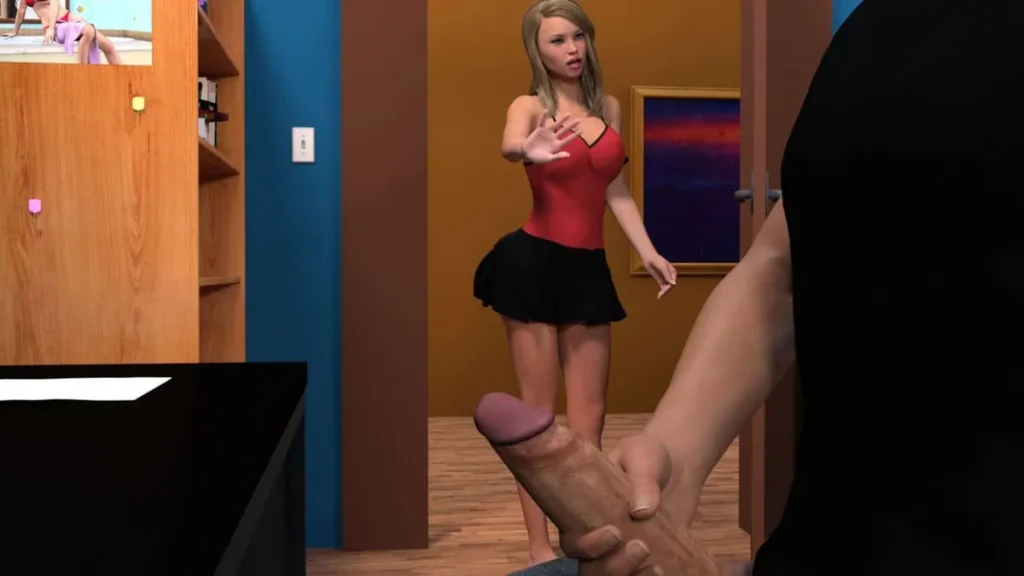
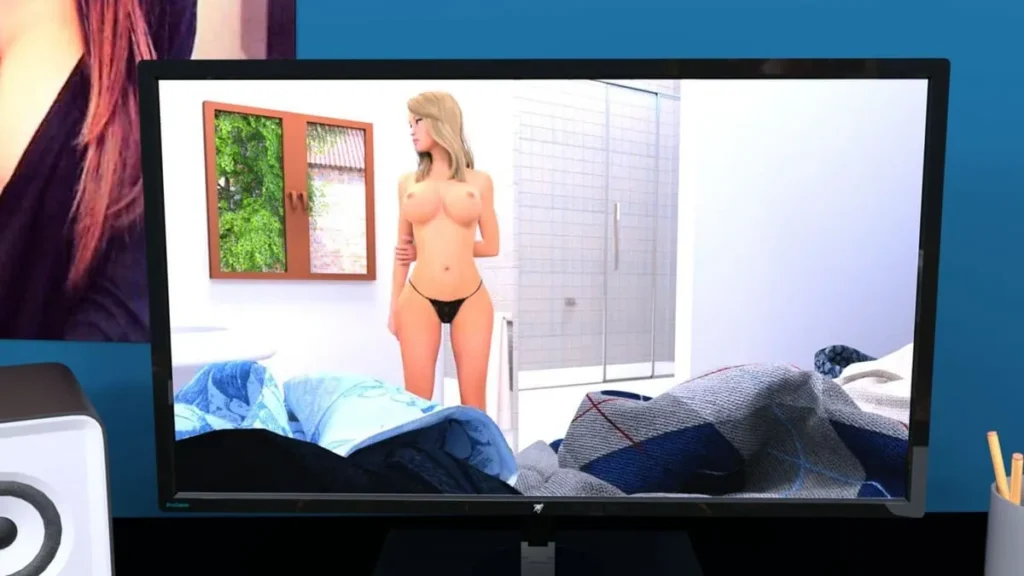
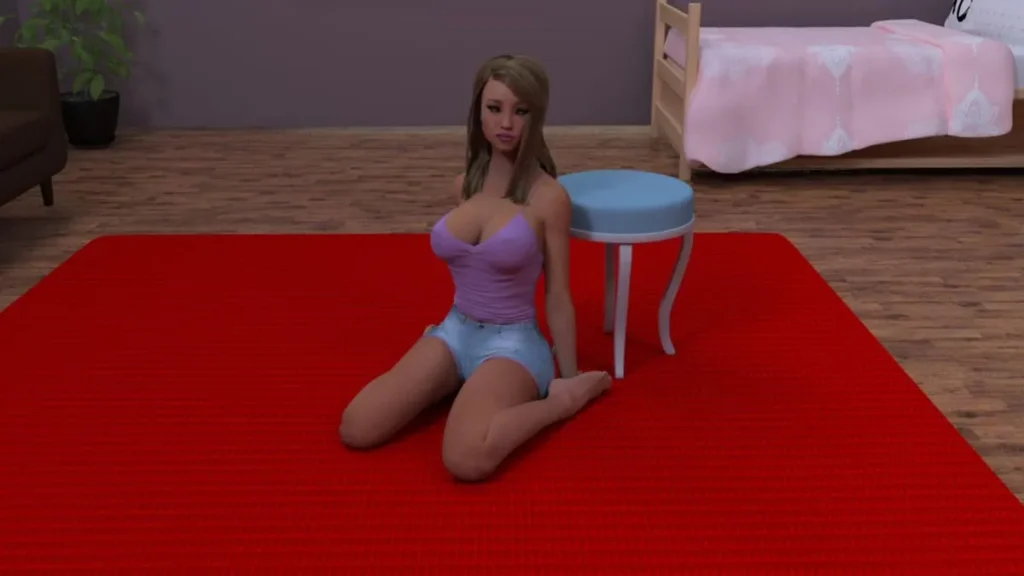
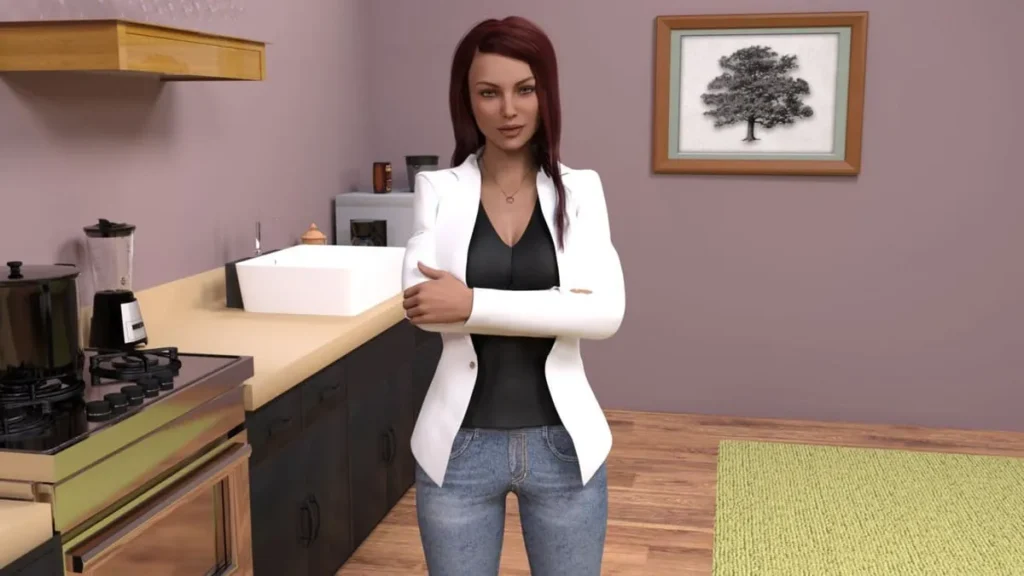
Let’s talk about what you’ll be looking at. The characters in Summer with Mia are 3D-rendered models, placed into the classic 2D framework of a visual novel style game. The style aims for a semi-realistic look—think more along the lines of detailed doll-like figures rather than super cartoonish anime or hyper-realistic humans. It’s a distinct aesthetic.
Being honest in this Summer with Mia review, it’s important to note this is the developer’s earlier work. The models are detailed and expressive, but when compared to some of their later titles, you might notice some rougher edges. Certain poses can feel a bit stiff, and the lighting in some early scenes isn’t as polished. But honestly? It adds a certain charm. You can see the heart put into it, and as the Summer with Mia story progresses, the presentation generally improves.
Where the game truly shines for a player’s day-to-day experience is in its interface and thoughtful features. The controls are standard and intuitive for the genre: save/load, skip, auto-read, and a log to check back on dialogue. Some builds include a gallery to revisit unlocked scenes, which is a must for completionists.
But the standout feature, especially for an adult visual game, is the inclusion of a “panic button” (sometimes called a quick-minimize). This lets you instantly hide the game window with a single keystroke if someone walks into the room—a simple yet incredibly thoughtful addition that respects the player’s privacy. The text boxes are clear, fonts are easy to read, and menu navigation is straightforward. It never gets in the way of the story.
Playing Summer with Mia Season 1 feels like settling into a slightly janky but incredibly comfortable chair. You notice it’s not perfect, but it supports you perfectly for the journey you’re about to take. The visual style sets the mood, the interface stays out of the way, and the comfort features let you relax and immerse yourself in the slow, relationship-focused burn of the story. It’s a package that understands its audience, and that, in my book, counts for a lot. ✨
So, is Summer with Mia for you? If you’re looking for a deep, choice-rich narrative about interpersonal relationships with a mix of drama and heart, and you appreciate a game that doesn’t take its player for granted, then absolutely. Dive into Summer with Mia Season 1 with an open mind, pay attention to the people in it, and let your summer begin.
Summer with Mia is the kind of game that rewards patience, curiosity, and a taste for character-driven storytelling. Once you get past the slightly confusing opening labels and accept that this is an early work from the creator, there is a surprisingly heartfelt and sometimes messy narrative underneath the surface. If you enjoy slow-burn relationships, making choices that actually shift how scenes play out, and spending time with a small cast over multiple in-game days, Summer with Mia Season 1 is worth a look. Give yourself time to settle into the pacing, experiment with different decisions, and see which version of the story with Mia feels most satisfying for you.