The Escort
Play The Escort
The Escort Screenshots
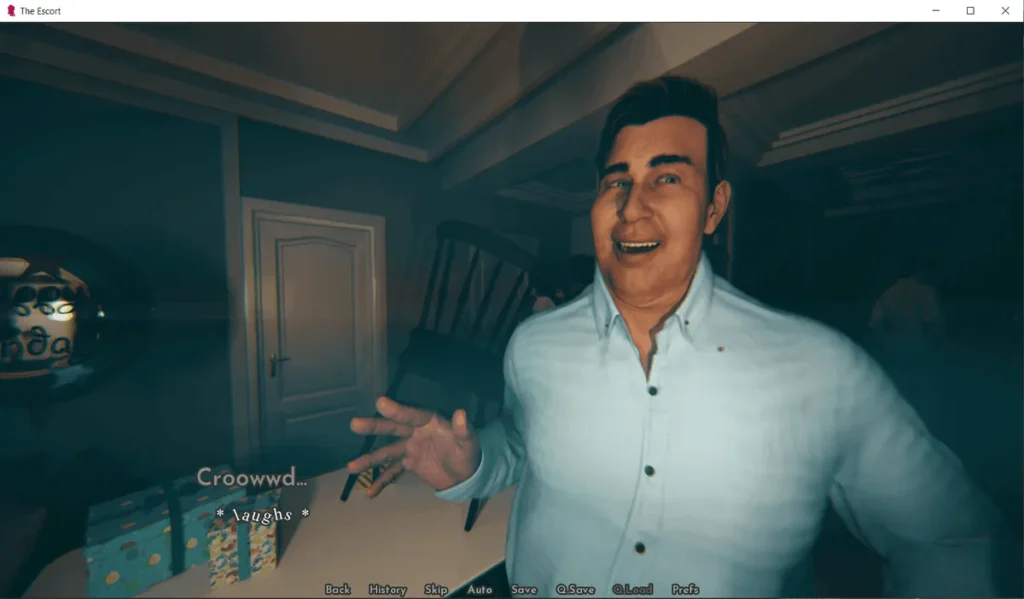
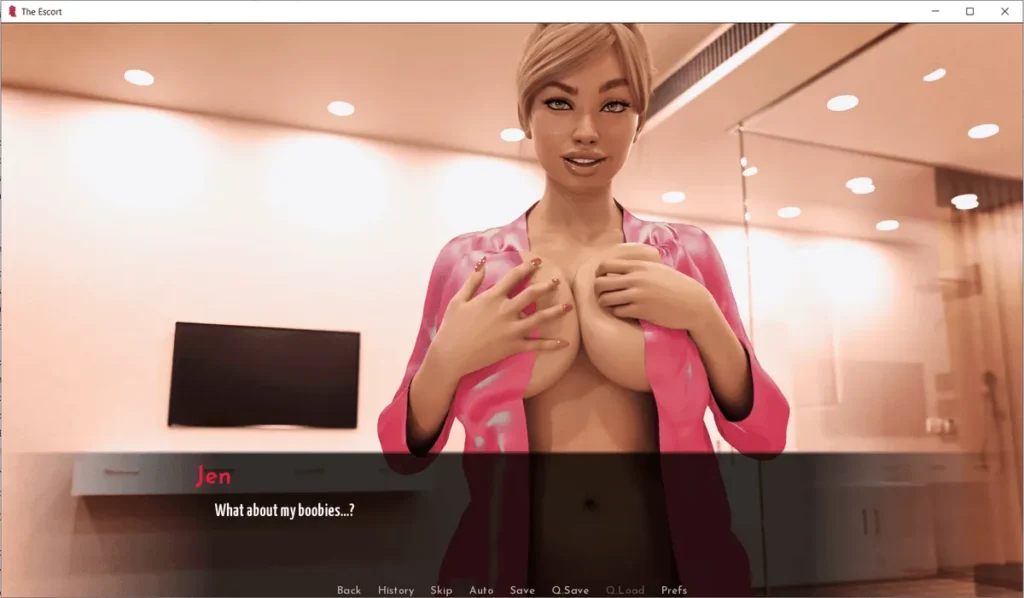
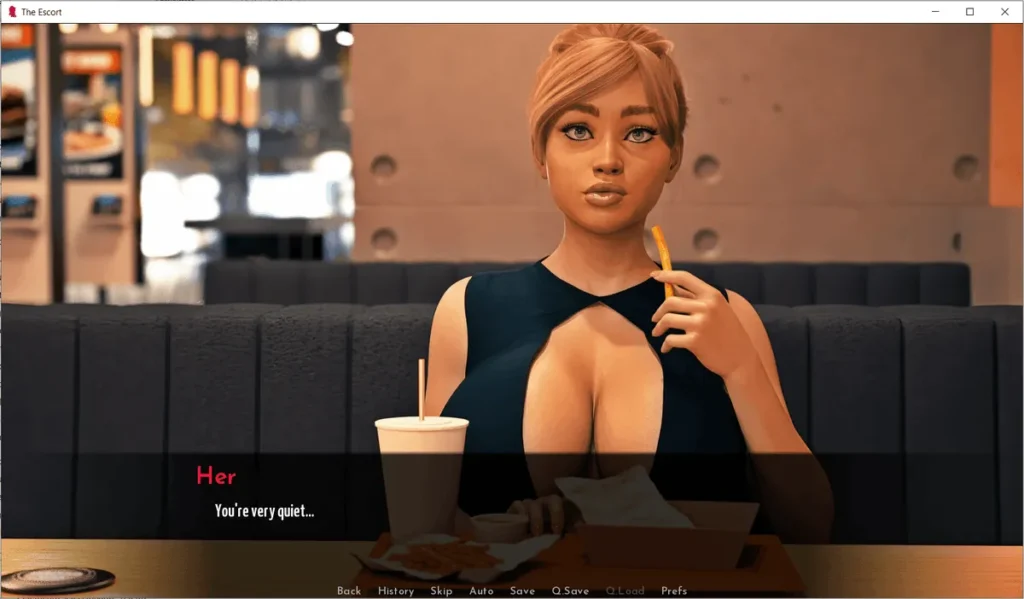
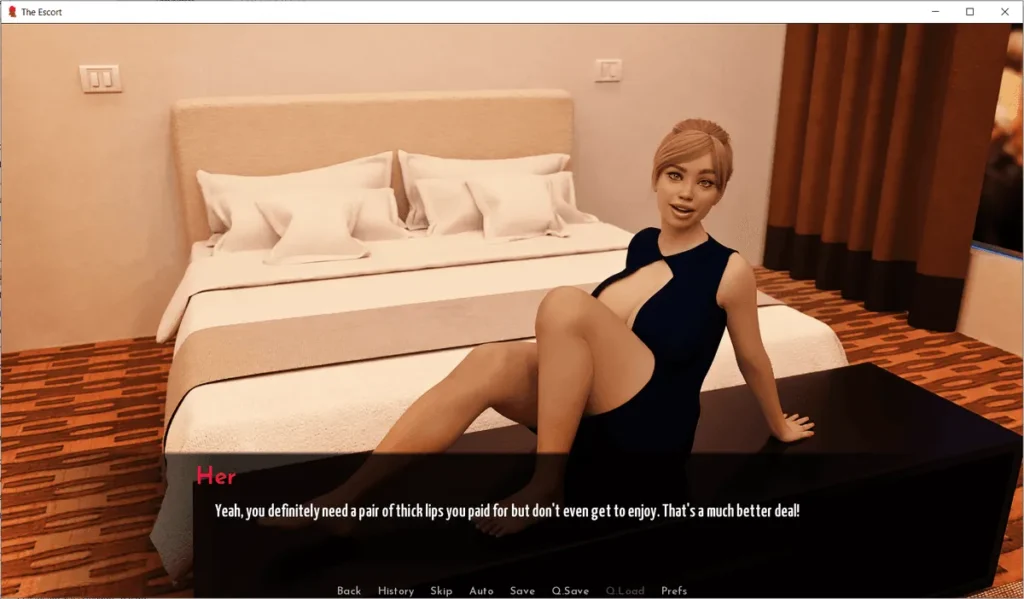
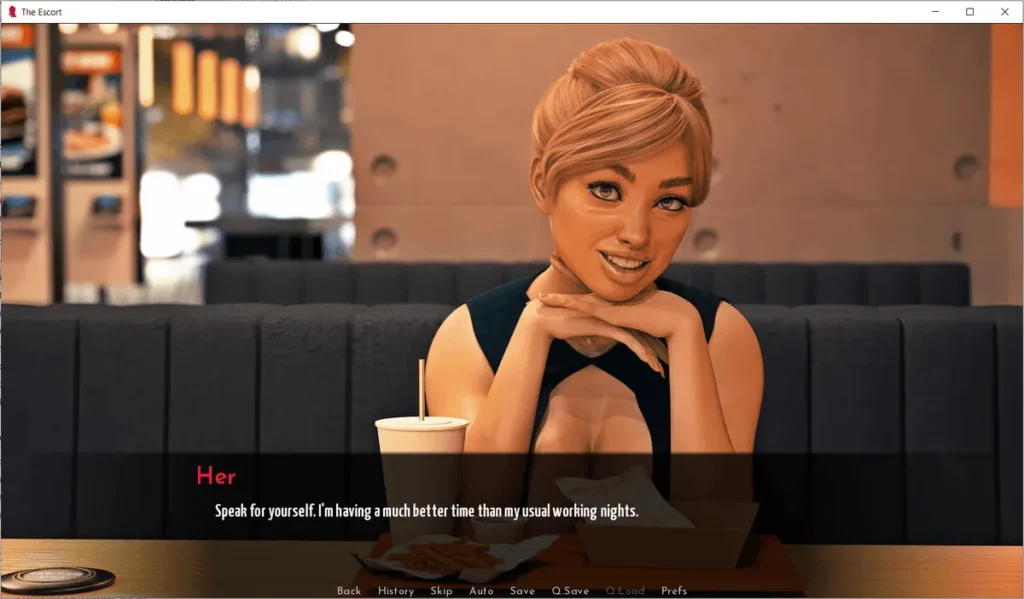
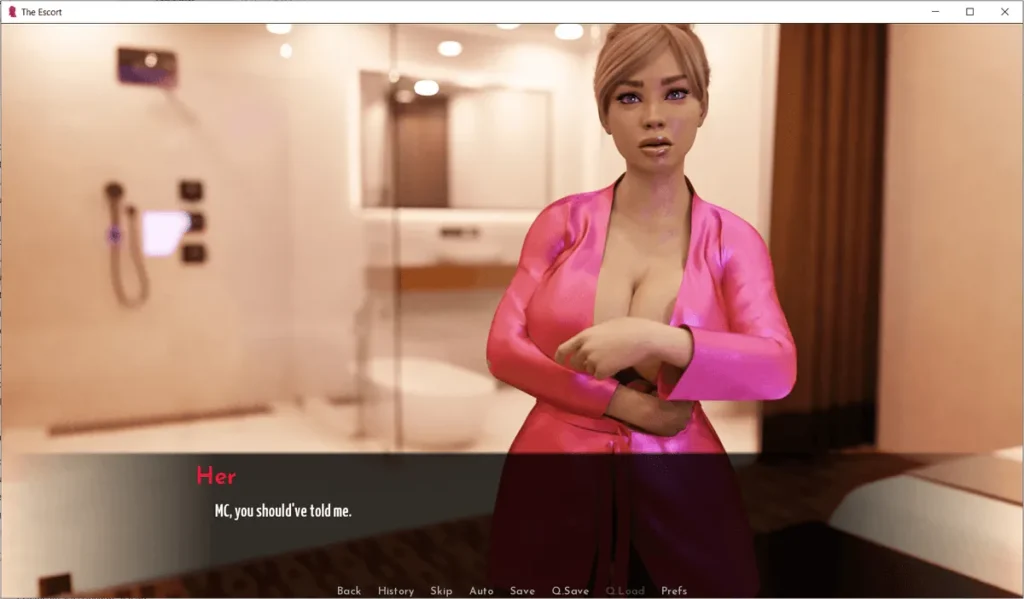

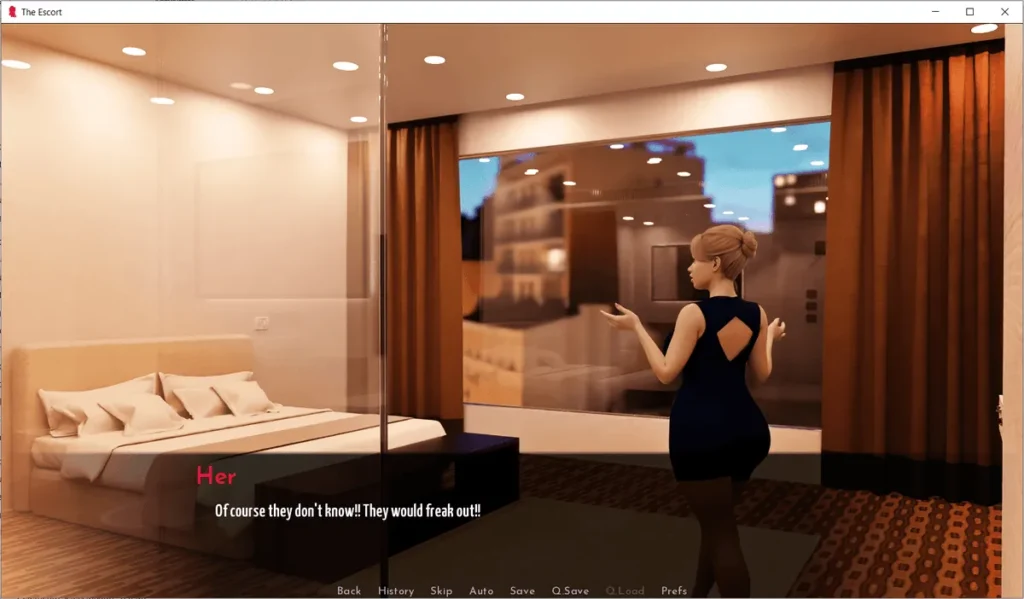
The Escort review
Master the relationship simulator that combines dialogue choices, trust mechanics, and immersive 24-hour storytelling
The Escort stands out as a narrative-rich simulation that transcends typical interactive experiences. Rather than focusing on action sequences, this game emphasizes complex social dynamics, strategic dialogue choices, and relationship management across a compelling 24-hour storyline. Whether you’re new to story-driven simulations or a seasoned player, understanding the core mechanics and narrative structure will significantly enhance your gameplay experience. This guide explores everything from preparation phases to the intricate trust system that determines your success, offering insights into how your decisions shape the evolving bond between you and your client throughout this immersive adventure.
Understanding The Escort Game: Core Mechanics & Gameplay Loop
Let’s be honest, most games where you’re tasked with protecting someone are about firepower. You’re a human shield with a big gun, mowing down waves of faceless enemies. But what if the real threat wasn’t a bullet, but a panic attack? What if your greatest weapon was a well-timed word, not a grenade? That’s the revolutionary space The Escort occupies.
This isn’t a bodyguard simulator; it’s a mindguard simulator. Success isn’t measured in kills, but in calm heart rates and fragile trust. As a narrative-driven simulation game, it swaps out reflex tests for emotional intelligence checks, making every playthrough a deeply personal and tense experience. If you’re coming from more action-heavy titles, prepare to rewire your instincts. Here, patience and perception are your primary tools.
What Makes The Escort Different From Other Simulation Games? 🎯
I remember my first mission. I’d reviewed the client’s dossier—a journalist afraid of corporate surveillance. I plotted a perfect, discreet route through back alleys. I was ready for anything… except her quiet question in the elevator: “Do you think they’re watching us now?”
In a traditional game, this might be flavor text. In The Escort, this is the combat. My response would directly affect her trust system gameplay. A dismissive “Don’t worry about it” could seed doubt, making her jittery and unpredictable later. An empathetic, but cautious, “It’s possible, which is why we’re sticking to the plan” could reinforce her confidence in me.
This is the core differentiator. The Escort game mechanics are built on a foundation of psychological realism, not physical conflict. You manage a client’s mental and emotional state across a tense, in-game 24-hour period. The “enemy” is often paranoia, anxiety, and the client’s own trauma. Your interface isn’t a health bar for yourself, but a dynamic trust meter and subtle behavioral cues for your charge. It’s a brilliant fusion of relationship simulator mechanics and tense, tactical planning, creating a truly unique interactive storytelling game.
Think of it less like driving a tank and more like carefully transporting a nervous, complex piece of artwork through a hurricane. Your job is to manage the environment, not just survive it.
The Three-Phase Gameplay Structure: Preparation, Execution & Reflection 🔁
The genius of The Escort is in its deliberate, three-act rhythm for every job. This isn’t a run-and-gun; it’s a carefully orchestrated ballet of planning, adaptation, and consequence. Mastering this loop is the key to mastering the game itself.
Phase 1: Preparation (The Blueprint)
Before you even meet your client, the game begins. You’re given a dossier—photos, psychological profiles, known fears, and the reason they need protection. This phase is all about strategic foresight. You’ll plan your route on a city map, choosing between speed, privacy, or public exposure. You select your “protective approach”: will you be an intimidating presence, a reassuring friend, or a silent professional? This choice sets the initial tone for all dialogue choices simulation to come. It’s like choosing your character’s ethos before the conversation even starts.
Phase 2: Execution (The Dance)
This is the real-time, nerve-wracking heart of the experience. You’re now in the car or on foot, navigating the planned route while actively managing your client. The trust system gameplay is in full effect here. You must:
* Navigate physical obstacles (detours, traffic).
* Engage in continuous dialogue, choosing your attitude and level of transparency.
* Monitor your client’s subtle cues—are they tapping their foot, looking over their shoulder, asking frantic questions?
* Make split-second decisions when unexpected events occur (a sudden noise, a familiar face in the crowd).
A low trust meter here is a death spiral. A paranoid client may refuse to follow instructions, get out of the car at a bad time, or shut down completely, leading to a soft mission failure. You didn’t lose a shootout; you lost their confidence.
Phase 3: Reflection (The Ripple)
The job isn’t over when you reach the safe house. The game shows you the consequences. How did your choices affect your relationship with the client? Did you gain a confidant or create a resentful charge? This phase updates ongoing story threads, unlocks or locks future missions with connected characters, and shows you the narrative branches you’ve triggered. It reinforces that The Escort is a narrative-driven simulation game where your legacy is the web of relationships you build or break.
| Phase | Core Objective | Key Player Actions | Primary Outcome |
|---|---|---|---|
| Preparation | Mitigate known risks through planning and psychological profiling. | Reviewing dossiers, planning routes, selecting a protective persona. | Establishing a baseline strategy and initial relationship tone. |
| Execution 🚗 | Safely navigate the 24-hour period while maintaining client stability. | Real-time navigation, managing dialogue choices, monitoring client state, adapting to chaos. | Immediate mission success/failure; dynamic shift in client trust and mental state. |
| Reflection | Understand the long-term narrative impact of your choices. | Reviewing relationship changes, observing story branch updates, seeing consequences unfold. | Shaping the overarching narrative and unlocking future gameplay opportunities. |
Mastering the Dialogue & Trust System 💬❤️
This is where The Escort separates the good players from the great ones. The dialogue system is not a multiple-choice quiz with obvious “good” answers. It’s a complex instrument for fine-tuning a human connection under pressure. Forget “Good Cop/Bad Cop.” Think “Transparent Cop vs. Reassuring Cop vs. Authoritative Cop.”
Every conversation is a turning point. You aren’t just picking a line; you’re choosing an attitude and a level of honesty. When your client asks, “Is this normal?” you could:
- Be Dismissive (“It’s fine.”): Quick, but erodes trust. They feel unheard.
- Be Professionally Reassuring (“Protocol accounts for this. Stay close.”): Builds confidence in your expertise.
- Be Transparent (“It’s a minor hiccup, but here’s how we adjust.”): Risks amplifying fear but can massively build trust through honesty.
How to build trust in The Escort is the central puzzle. The trust meter is your true health bar. High trust isn’t just a nice bonus; it’s a gameplay mechanic that unlocks new, more cooperative dialogue options. A client with high trust will follow your instructions during a crisis without question. They might even share crucial information that opens up new, safer routes.
Conversely, low trust is a cascade failure. I once played a mission with a client who was scared of crowds. I pushed for a fast route through a busy market. My trust with them was already low from being too curt earlier. The sight of the crowd triggered a panic attack. They froze, then ran—right into a situation we could have avoided. I “completed” the mission by finding them, but the relationship was shattered, and a future storyline with that character was closed off. That’s the power of relationship simulator mechanics.
Let’s look at a real gameplay scenario: You’re escorting Leo, a whistleblower, to a meeting. Your car gets a flat tire in a quiet area.
Client State: Leo is already anxious, trust is at 50% (Neutral).
Dialogue Trigger: Leo sighs, nervously. “Perfect. This is just perfect. They’re probably tracking us right now.”
Your Choice & Consequence:
-
Choice (Authoritarian): “Keep your voice down and stay in the car. Let me work.”
- Effect: This asserts control but invalidates his fear. Trust might drop 10%. He stays in the car but becomes sullen and uncommunicative, less likely to help if you need him later.
-
Choice (Dismissive): “It’s just a flat tire. Coincidences happen.”
- Effect: This seems reassuring but feels naive to someone in his position. Trust drops 15%. He may challenge your competence, asking “Are you even taking this seriously?” complicating the rest of the drive.
-
Choice (Transparent & Collaborative): “It’s a setback. Check your paranoia for a second and help me think: change it here fast, or call for a backup ride which takes longer?”
- Effect: You acknowledge the risk (“setback”), gently curb his spiral (“check paranoia”), and give him agency (“help me think”). Trust increases 10%. He feels partnered with you, likely chooses the faster option, and may even volunteer to keep watch while you work.
This example shows the dialogue choices simulation in action. There’s no “right” answer, only answers that serve your chosen approach and adapt to the client’s personality. The interactive storytelling game elements shine as each choice crafts a unique relationship narrative.
Ultimately, The Escort game mechanics teach you that safety is a collaborative effort. You are not an unshakeable hero carrying a helpless victim. You are a guide, a partner, and sometimes a emotional anchor. Building a true connection through its brilliant trust system gameplay is the only way to ensure you both arrive at your destination—not just physically, but psychologically intact. It’s a masterclass in proving that in the right hands, a conversation can be the most powerful tool in any arsenal.
The Escort delivers a distinctive gaming experience that prioritizes emotional depth and strategic decision-making over conventional action mechanics. By mastering the three-phase gameplay loop—preparation, execution, and reflection—players unlock the full potential of this relationship simulator. The intricate dialogue and trust system ensures that every conversation carries weight, making your choices genuinely consequential throughout the compelling 24-hour narrative. Whether you’re drawn to the multiple story endings, the immersive 3D environments, or the complex character dynamics, The Escort offers substantial replay value and meaningful engagement. Understanding these core elements transforms your gameplay from casual interaction into a deeply strategic and emotionally resonant experience. Start your journey today and discover how your decisions shape an unforgettable interactive narrative.